How to Survive the Storm Damage Roof Insurance Claim Process
- Mar 13
- 7 min read
What You Need to Know About Storm Damage Roof Insurance Claims

Storm damage roof insurance claims can feel overwhelming — but here's the short version if you need it fast:
Quick answer: How to file a storm damage roof insurance claim
Document everything — take photos and videos of all damage before touching anything
Make temporary repairs (tarping, boarding) to prevent further damage — save all receipts
Contact your insurer — report the damage and get a claim number
Get a professional roof inspection — ideally before the adjuster arrives
Meet the adjuster — have your roofer present to ensure all damage is captured
Review the settlement offer — negotiate or appeal if the payout seems low
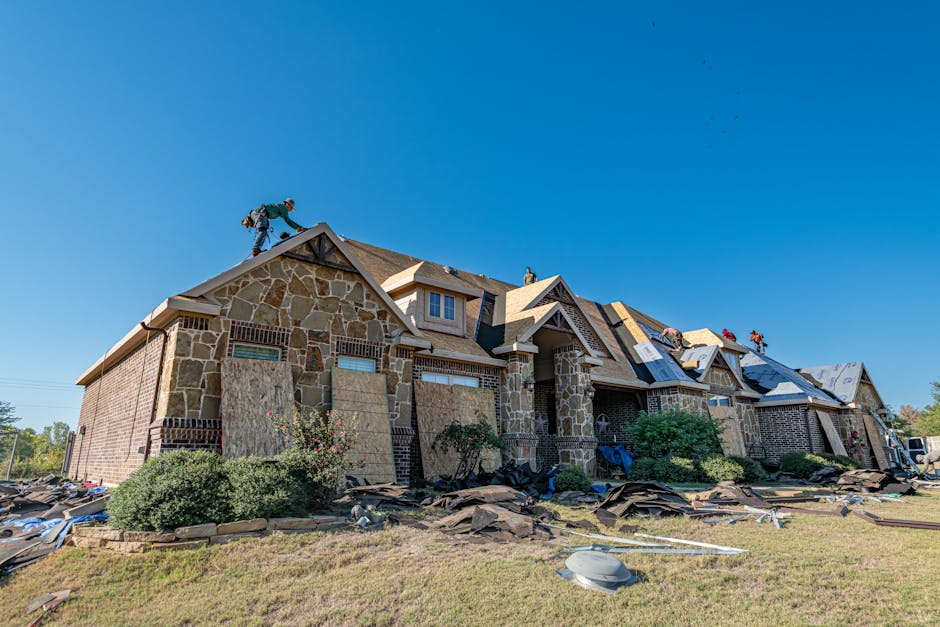
A major storm rolls through NW Indiana. The wind howls, hail hammers the shingles, and the next morning you find pieces of your roof scattered across the yard. Now what?
Most homeowners have insurance — but very few understand how it actually works for roof damage until they're standing in that movement.
The stakes are real. Severe weather events in 2024 alone resulted in more than $9 billion in insured losses across the country — nearly triple the year before. And with typical major roof repairs running anywhere from $5,000 to $7,000 or more, getting your claim right isn't just paperwork. It's a financial lifeline.
The good news: the process is manageable when you know the steps. This guide walks you through everything — what's covered, what's not, how to document damage, how to deal with adjusters, and when it actually makes sense to file a claim in the first place.

Does Homeowners Insurance Cover Storm Damage Roof Insurance Claims?
The short answer is yes — but it depends heavily on the cause of the damage. In the insurance world, these causes are called "perils." Most standard homeowners policies are designed to protect the structure of your home from sudden and accidental losses.
Covered Perils
If a storm hits Lafayette or Lake County, your policy typically covers:
Windstorms: This includes straight-line winds, microbursts, and tornadoes that tear off shingles or lift roof sections.
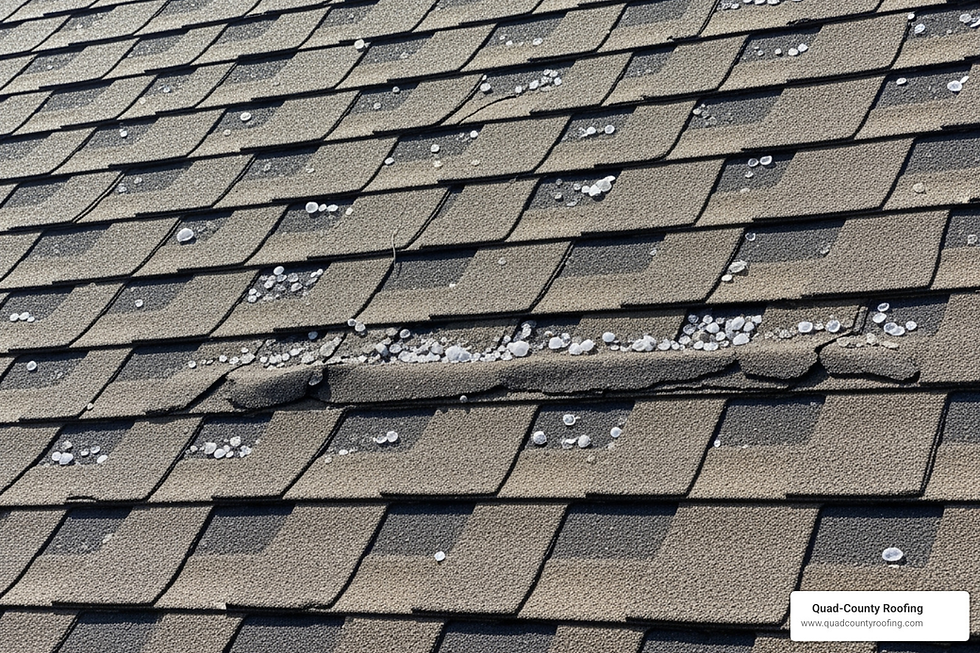
Hail: Hail can "bruise" shingles, knocking off the protective granules and leaving the asphalt mat exposed to UV rays and leaks.
Snow and Ice: The sheer weight of a massive Indiana snowstorm can cause structural collapse. Damage from ice dams—where melting snow refreezes at the eaves and pushes water under the shingles—is also frequently covered, provided the roof was in good repair.
Falling Debris: If a storm knocks a heavy oak limb onto your roof in Porter County, that’s a classic covered peril.
What is NOT Covered?
Insurance is not a maintenance plan. We often see claims denied because the "damage" was actually just the roof reaching the end of its life.
Wear and Tear: If your shingles are 30 years old and simply crumbling, insurance won't pay for a new roof.
Maintenance Neglect: If you knew about a small leak three years ago and did nothing, the resulting rot might be excluded.
Cosmetic Damage: Some modern policies include exclusions for "cosmetic" hail damage—meaning if the hail dented your metal roof but didn't cause a leak, they might not pay to replace it.
To better understand how insurers view these unexpected events, you can Learn more about home insurance coverage for unexpected disasters.
Understanding Your Policy: RCV, ACV, and Deductibles
Before you call your agent, you need to know what kind of "check" you're actually going to get. This depends on two acronyms: RCV and ACV.
RCV vs. ACV: The Payout Difference
Replacement Cost Value (RCV): This is the gold standard. If it costs $15,000 to replace your roof, the insurance company pays that full amount (minus your deductible).
Actual Cash Value (ACV): This is the depreciated value. If your 20-year-old roof is damaged, the insurer calculates what that "used" roof is worth today. You might only get a fraction of the cost of a new one.
Feature | Replacement Cost Value (RCV) | Actual Cash Value (ACV) |
Payout Basis | Cost to buy new materials today | Depreciated value based on age |
Out-of-pocket | Just your deductible | Deductible + the "lost" value (depreciation) |
Recoverable Depreciation | Yes | No |
Recoverable Depreciation is a term you'll hear often. With an RCV policy, the insurer often sends two checks. The first is for the ACV (the "used" value). Once the work is finished and we provide proof of completion, they send a second check for the "depreciation" they held back.
The Deductible Dilemma
In Indiana, many policies now have specific wind and hail deductibles. Instead of a flat $500 or $1,000, these are often percentage-based—typically 1% to 5% of your home’s total insured value (Coverage A). If your home is insured for $300,000 and you have a 2% wind deductible, you’re on the hook for the first $6,000 of the repair.
The Step-by-Step Process for Filing a Claim
Navigating storm damage roof insurance claims requires a methodical approach. You are essentially building a legal case for why the insurance company should pay you.
Documenting Damage for Storm Damage Roof Insurance Claims
The moment it is safe to go outside, start your documentation. Do not climb on the roof yourself—it’s dangerous and you might accidentally cause more damage that the adjuster will then blame on you.
Ground-Level Photos: Take pictures of shingles in the yard, dented gutters, or fallen limbs.
Interior Checks: Go into your attic with a flashlight. Look for water stains on the rafters or insulation.
The Storm Date: Note the exact date and time the storm hit. Insurers cross-reference this with weather radar data.
Professional Assessment: Call a local expert. We provide detailed reports that include photos of "hidden" damage, like hail bruising that isn't visible from the ground.
View our gallery of completed roof restorations to see the types of damage we regularly document for successful claims.
Preparing for the Adjuster and Managing Repairs
Once you file, the insurance company will send an adjuster. This is a critical moment.
Have Your Roofer Present: We always recommend having your contractor there when the adjuster arrives. We speak the same technical language and can point out damage the adjuster might overlook while they're busy looking at twenty other houses that day.
Temporary Repairs: You have a "duty to mitigate" further damage. This means if there’s a hole in your roof, you must cover it with a tarp. If you don't, and the next rain ruins your ceiling, the insurer may refuse to pay for the interior damage.
Track Every Penny: Save receipts for tarps, plywood, or emergency labor. These costs are usually reimbursable as part of the claim.
For more technical guidance, review these Best practices for navigating home insurance claims.
Avoiding Denials and Maximizing Your Payout
Why do storm damage roof insurance claims get denied? Usually, it's a lack of proof or a misunderstanding of the policy.
The "Matching" Rule
In states like Indiana, "matching laws" can be a lifesaver. If a storm damages 20% of your roof and the shingles are no longer manufactured, the insurer may be required to replace the entire roof to ensure a uniform appearance. This varies by policy and state regulation, so it’s worth asking your adjuster about "line-of-sight" matching.
Multiple Estimates
While your insurance company might suggest a "preferred contractor," you have the right to choose who works on your home. It is often helpful to get 2-3 estimates. This ensures the "scope of work" is accurate. If our estimate is higher than the insurance payout, it’s usually because the adjuster missed something (like the cost of new flashing or local building codes). We can then file a supplement to get those extra costs covered.
Ordinance and Law Coverage
Building codes change. If your old roof didn't require "ice and water shield" but current Lafayette codes do, you'll need to pay for that upgrade. If you have Ordinance and Law coverage, your insurance will pick up that extra tab.
Frequently Asked Questions about Storm Damage Roof Insurance Claims
Will filing a claim increase my insurance premiums?
This is the number one concern we hear. Generally, a single claim for an "Act of God" (like a hailstorm) shouldn't cause a massive spike, but it can remove your "claim-free discount." However, if you've filed multiple claims in a 3-5 year period, you are statistically more likely to see a surcharge. All claims are tracked in a CLUE report, which follows you and your property for up to seven years.
How long does the roof insurance claim process typically take?
In Indiana, insurers are usually required to acknowledge your claim within 15 days. A typical timeline looks like this:
Inspection: Within 1-2 weeks of filing.
Approval/Denial: Usually 7-10 days after the inspection.
Payment: First checks often arrive within 30-60 days. Straightforward claims can move faster, while catastrophic storms (like a major tornado event) can slow things down due to the sheer volume of claims.
What should I do if my roof claim is denied or underpaid?
Don't panic. A denial isn't always the final word.
Ask for a second opinion: You can request a different adjuster.
Provide more evidence: Sometimes a more detailed report from a certified roofer can flip the decision.
Hire a Public Adjuster: These professionals work for you, not the insurance company, to negotiate the settlement.
Appraisal: Most policies have an appraisal clause where two independent appraisers (and an umpire) decide the fair value of the loss.
Conclusion
Surviving the storm damage roof insurance claim process is about being proactive and having the right partners. While it’s tempting to just take the first check the insurance company offers, it’s rarely in your best interest to do so without a professional second opinion.
At Quad-County Roofing, we specialize in helping homeowners in NW Indiana and Lafayette navigate these tricky waters. We aren't just roofers; we are insurance specialists who understand the language of RCV, ACV, and supplements. With our in-house crews and 24/7 emergency services, we ensure your home is protected from the moment the storm ends until the final shingle is laid.
If the cost of your deductible is a concern, we even offer affordable financing starting as low as $89/month to bridge the gap.
Don't let a storm leave you under-covered. Book your storm damage roof inspection online today or call us to ensure your claim is handled correctly from day one.