
A – Z Guide to Roof Restoration
- Mar 26
- 7 min read
What Is Roof Restoration (And Is It Right for You)?
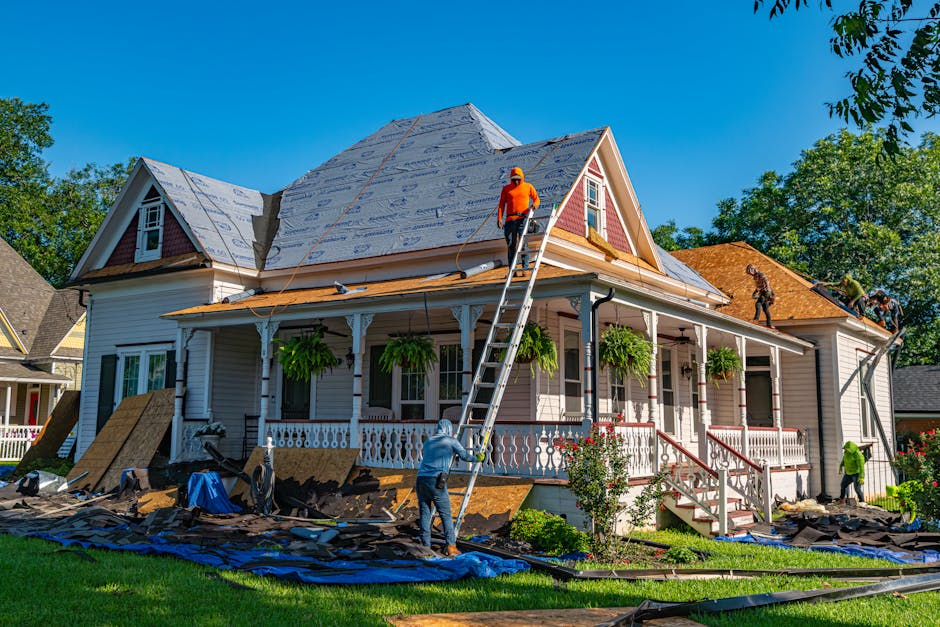
Roof restoration is the process of renewing your existing roof to like-new condition — without tearing it off and starting over.
Here's a quick breakdown of what that means in practice:
Repair | Restoration | Replacement | |
Scope | Fixes specific problem areas | Full roof treatment — clean, repair, coat | Complete tear-off and rebuild |
Best for | Minor, isolated damage | Aging but structurally sound roofs | Severe structural failure or very old roofs |
Cost | Lowest upfront | 50-70% less than replacement | Most expensive |
Lifespan added | Minimal | 10-20 years | 20-25 years (new roof) |
Disruption | Low | Low | High |
If your roof is showing its age — maybe you've noticed a few leaks after storms, some worn shingles, or it's pushing 15-20 years old — you may be wondering whether it's time to fix, restore, or replace it entirely.
For many homeowners in NW Indiana, restoration is the middle ground that most people don't know exists.
It's not a patch job. It's a complete treatment: cleaning, repairing damaged areas, and applying protective coatings that seal and strengthen your roof. And it costs a fraction of a full replacement.
But it's not the right answer for every roof. Structural damage, wet insulation, or a roof that's simply too far gone may still need full replacement. Knowing which category your roof falls into starts with understanding what restoration actually involves.

Benefits of Restoration vs. Replacement
When we talk to folks in Lafayette or Lake County about their roofs, the first question is almost always about the "C" word: Cost. We get it. A roof is one of the biggest investments you’ll make in your home. That’s why roof restoration is such a game-changer.
Massive Cost Savings
The most eye-popping statistic in the industry is that roof restoration typically costs 50-70% less than a full roof replacement. Why? Because we aren't paying for a massive crew to spend days tearing off old materials, and you aren't paying the hefty landfill fees to dispose of tons of waste. Instead of a $15,000 to $30,000 bill, you’re looking at a much more manageable investment that can often be covered by our affordable financing starting at just $89/mo.
Extending the Lifespan
A standard asphalt shingle roof has a typical lifespan of about 20 years. If your roof is hitting that 15-year mark, you might think you’re doomed to a replacement. However, a professional restoration can extend a roof's life by 10, 15, or even 20 additional years. For commercial properties, some high-performance systems even offer a 20-year warranty that can be extended by another 10 years just by adding a new topcoat every decade. It’s the gift that keeps on giving.
Energy Efficiency and "Cool Roofs"
Did you know your roof is basically a giant solar sponge? Standard dark roofs soak up UV radiation, turning your attic into a sauna. By using reflective elastomeric coatings during the restoration process, we can reflect 80-90% of the sun's UV radiation. This can reduce interior cooling costs by up to 20%. In the humid Indiana summers, that "cool roof" effect is the difference between your AC running 24/7 and actually getting a break.
Sustainability and Environmental Impact
This is a big one for us. Commercial roof replacements contribute millions of tons of waste to landfills annually. Restoration, however, requires no tear-off and has a minimal impact on the environment. By choosing to restore rather than replace, you’re keeping usable materials out of the Jasper County landfills and reducing the carbon footprint associated with manufacturing new roofing products.
To see the full range of what we can do for your home or business, check out more info about our roofing services.
Signs Your Roof Needs Professional Attention
How do you know if you're a candidate for roof restoration or if you're headed for a full replacement? Your roof usually tries to tell you; you just have to know how to listen (or look).
The 20-Year Benchmark
If your asphalt shingle roof is approaching 20 years, it’s officially in the "danger zone." While it might look okay from the driveway, the structural integrity of the shingles is likely compromised. This is the perfect time for an assessment. Catching it now means restoration is still an option. Waiting until it fails usually means replacement is the only choice.
Granule Loss and "Bald Spots"
Check your gutters. If they look like they’re filled with coffee grounds, those are actually the protective granules from your shingles. Excessive granule loss means your shingles have lost their UV protection and are becoming brittle.
Visible Damage: Cracks, Leaks, and Corrosion
For our friends with tile or metal roofs in Porter and Tippecanoe counties, the signs are a bit different:
Tiles: Cracked or missing tiles are an open invitation for water to rot your roof deck.
Metal: Look for corrosion or "chalking" (a powdery residue on the surface). Chalking typically occurs around 9-12 years and is a clear sign the protective coating has worn thin.
Sagging: A sagging roof deck is a major red flag. This often indicates prolonged moisture exposure or structural failure.
Safety First: Access and Brittle Materials
Before you grab a ladder to check things out yourself, please keep safety in mind. Safety standards for roof access are strict for a reason. Older roofs can be incredibly brittle. Walking on old masonry tiles or severely corroded metal can lead to falls or further damage. We always recommend a professional inspection—we have the gear and the "roof legs" to do it safely.

The Step-by-Step Roof Restoration Process
We don't just "paint" your roof. A true roof restoration is a rigorous, multi-step engineering process designed to waterproof and fortify your home.
1. Professional Assessment
We start with a thorough inspection. We check the flashing, the vents, and the "valleys" where water collects. We also look for wet insulation; if the core of your roof is soaked, a coating won't help—it will just trap the moisture.
2. Surface Preparation and Deep Cleaning
You’ve heard the saying, "You’re only as good as what you stick to." We use high-pressure washing to remove dirt, mold, moss, and any loose debris. This ensures the new membranes and coatings bond perfectly to the surface.
3. Essential Repairs
Before the coatings go on, we fix the "bones." This includes:
Replacing cracked tiles or damaged shingles.
Rebedding and Repointing: For tile roofs, we ensure the ridge caps are securely bedded in fresh mortar.
Sealing Leaks: We apply waterproofing mastic to seams, penetrations (like chimneys), and fasteners.
4. Priming and Coating
Once the roof is clean and repaired, we apply a primer followed by high-build coatings.
Airless Sprayers: Airless sprayers, more commonly known as spray rigs, are widely considered the most efficient method of applying elastomeric coatings to roof surfaces.
Tank Spreaders: For some flat roofs, tank spreaders are quickly becoming the go-to choice because they are effective and provide a uniform finish.
We use premium materials like the Dulux Acratex Roof Membrane, which offers a 15-year material warranty, or Polyglass systems that can offer up to 20 years of protection. For more on the technical side, you can read about the detailed restoration application steps.
5. Final Inspection
Our in-house crew performs a final quality control check to ensure the "dry film thickness" (DFT) meets the manufacturer's specifications. This is what guarantees your warranty stays valid.
Frequently Asked Questions
How long does a professional roof restoration take?
Most residential roof restoration projects in Northwest Indiana take between 2 to 5 days.
Day 1: Setup and pressure cleaning.
Day 2: Repairs, rebedding, and replacing broken materials.
Day 3-5: Priming and applying multiple coats of membrane. The timeline can shift slightly based on the size of your roof and, of course, the unpredictable Indiana weather. We can't apply coatings in the rain, so we always keep a close eye on the forecast to ensure the materials cure properly.
How long does a restored roof last?
A professionally restored roof typically lasts 10 to 15 years before it needs a simple recoat. Because we use high-quality membranes (like the Dulux Acratex system with its 15-year warranty), you get peace of mind that rivals a brand-new roof. To keep it lasting as long as possible, we recommend clearing debris from gutters and having a quick professional check-up after major storms.
When is roof restoration not suitable?
Restoration is fantastic, but it’s not magic. It won't work if:
Structural Failure: If your roof rafters are rotting or the deck is sagging significantly, you need a replacement.
Wet Insulation: If water has already saturated the insulation under the roof membrane, restoration will trap that moisture and cause rot.
Too Many Layers: If your roof already has two or more layers of shingles, local building codes in counties like Lake or Porter usually require a full tear-off.
Age: If the roof is over 50 years old and has been neglected, the base material may be too degraded to support a restoration system.
Conclusion: Why Choose Quad-County Roofing?
Choosing the right team for your roof restoration is just as important as the materials you use. At Quad-County Roofing, we take pride in being a local staple across Lafayette and Northwest Indiana.
We don't use subcontractors; we have our own in-house crew of experts who know the specific challenges of Indiana weather. Whether you’re in Pulaski County or Fountain County, we bring the same level of craftsmanship to every job.
We are also insurance specialists. If your roof damage was caused by a storm, we can help you navigate the claims process to make sure you get the coverage you deserve. Plus, with our 24/7 emergency services, we’re always here when the unexpected happens.
Ready to see if your roof is a candidate for a life-extending restoration? Don't wait for the next big storm to find out where your leaks are.
Book a roof restoration assessment online with Quad-County Roofing today and let us help you protect your home for the next two decades—at a fraction of the cost of a new roof!


