How to Fix a Leaky Roof Without Losing Your Mind
- Feb 27
- 8 min read
A Leaking Roof Is Stressful — Here's What to Do First
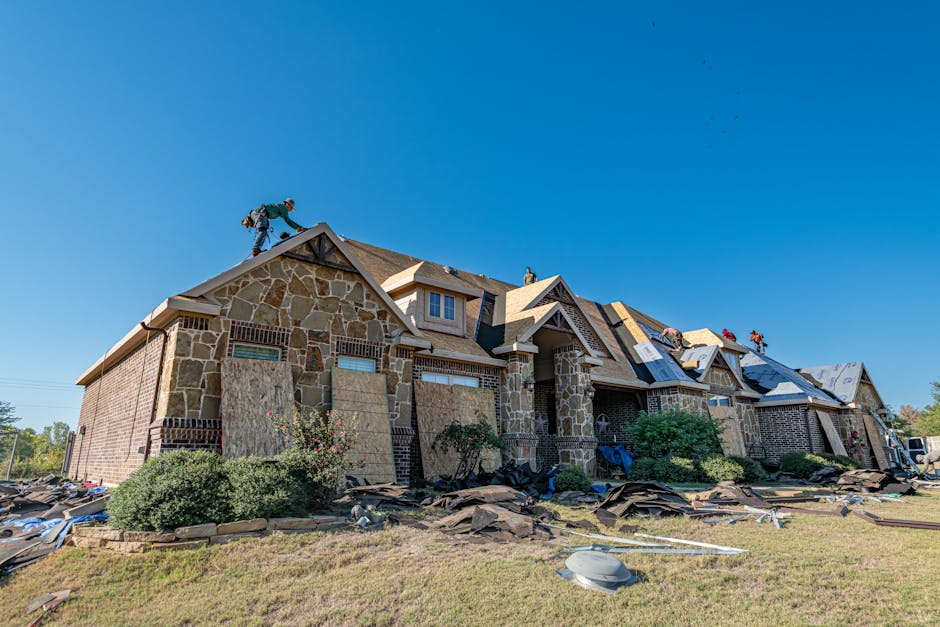
Roof leak repair is urgent — water gets in fast, but damage compounds slowly and silently.
Quick answer: How to fix a roof leak
Contain the water — place buckets under drips, move valuables, cover furniture
Turn off electricity near the leak area if water is close to fixtures
Find the source — check your attic with a flashlight for water trails, dark stains, or damp insulation
Apply a temporary fix — use roofing cement and plywood from inside, or secure a tarp over the affected area on the roof
Document the damage — take photos for your insurance claim
Call a professional — temporary fixes buy time, but only a roofer can solve the root cause
That drip hitting a bucket at 2am is one of the most stressful sounds a homeowner can hear. And if you're in northwest Indiana, where storms roll in fast and aging roofs take a beating, it's not a matter of if — it's when.
The good news? A roof leak doesn't have to become a disaster. Most leaks start small and are very fixable — if you act quickly.
This guide walks you through everything: finding the leak, making emergency repairs, DIY fixes by roof type, and knowing when to call in a pro like the team at Quad-County Roofing.

Identifying the Source: How to Safely Detect a Roof Leak
Finding the exact spot where water is entering your home is often the hardest part of roof leak repair. Because roofs are pitched, water rarely drips straight down. Instead, it enters at one point, runs down a rafter or the underside of the roof decking, and finally drips onto your ceiling several feet away from the actual hole.

The Attic Inspection
Your first move should be heading into the attic with a high-powered flashlight. Look for these telltale signs:
Water Trails: Shiny streaks or "tracks" on the rafters.
Dark Stains: Water-soaked wood often turns dark brown or black.
Mold or Mildew: If you see fuzzy growth or smell something musty, you likely have a chronic, long-term leak.
Damp Insulation: Wet fiberglass or cellulose insulation is a surefire sign that water is coming from above.
The Hose Test Method
If the weather is dry and you can't see the source, we recommend the "hose test." This requires three people: one on the roof with a garden hose, one in the attic with a flashlight, and one on the ground to steady the ladder and relay messages.
Start by spraying the roof just above where the leak appears inside. Soak one small area at a time for several minutes before moving upward. When the person in the attic shouts that they see a drip, you’ve found your culprit.
Safety and Precision
When performing an inspection in Northwest Indiana, safety is paramount. Always use a tall, sturdy ladder on level ground. Wear soft-soled boots for better grip and, if you have one, a PFAS (Personal Fall Arrest System).
Expert Tip: Don't confuse a leak with condensation. If you see moisture across the entire underside of your roof rather than in one spot, you likely have a ventilation issue. Improperly baffled ridge vents or blocked soffits can trap humid air, causing "attic rain" that mimics a roof leak. Some professionals even use thermal imaging to distinguish between active water intrusion and lingering moisture.
Emergency First Aid: Immediate Steps for roof leak repair
When the clouds open up over Lafayette or Lake County and the water starts pouring in, you don't have time for a permanent fix. You need "Roofing First Aid."
Water Containment and the "Tea Towel Trick"
Place a bucket under the drip immediately. To silence that annoying "plink-plink" sound that keeps you awake, try the tea towel trick: lay a small towel in the bottom of the bucket. It absorbs the impact and kills the noise.
The Screwdriver Puncture
If you see a bulge in your ceiling, water is pooling behind the drywall. This is dangerous; the weight could cause the entire ceiling to collapse. Take a screwdriver and carefully puncture the center of the bulge. This creates a controlled drain into your bucket and prevents the water from spreading horizontally through your ceiling joists.
Moving Valuables and Power
Move furniture and electronics out of the splash zone. If the leak is near a light fixture or outlet, go to your breaker box and shut off the power to that room immediately. Water and electricity are a deadly combination.
Temporary Indoor Patches
If you can access the leak from the attic, you can apply a "mastic patch." Smear roofing cement onto a scrap of plywood or heavy cardboard and press it against the underside of the roof deck where the water is entering. This won't stop the leak forever, but it can divert the water until the storm passes.
Ignoring these steps can lead to long-term consequences like structural rot and expensive mold remediation. If the potential costs of major repairs are weighing on you, National Debt Relief could help you manage existing financial burdens so you can focus on protecting your home.
DIY Fixes: Materials and Methods for Different Roof Types
Once the rain stops and the roof is dry (never work on a wet roof!), you can assess the damage. Common causes include aging materials, storm damage from high Indiana winds, or falling branches.
Comparison of Roof Repair Methods
Feature | Pitched Roof (Asphalt Shingles) | Flat Roof (Membrane/Felt) |
Common Issue | Missing/Curled shingles, flashing failure | Ponding water, blisters, seam separation |
Primary Tool | Flat bar, hammer, roofing nails | Utility knife, paint roller, contact cement |
Material Used | Replacement shingles, roof sealant | EPDM patch, acrylic coating, bitumen |
Difficulty | Intermediate | Advanced |
Essential Tool List
To perform a basic roof leak repair, you will need:
Flat bar: For prying up shingles and nails.
Utility knife: To cut shingles or membrane patches.
Caulk gun & Roof Sealant: Ensure it is specifically rated for roofing (not latex caulk).
Roofing nails: Usually 1-1/4 inch or 1-3/4 inch.
Hammer: A standard claw hammer works, but a roofing hammer is better.
Step-by-Step roof leak repair for Shingles and Flashing
Remove Damaged Shingles: Use your flat bar to carefully lift the shingles above the damaged one. Pry out the nails and slide the old shingle out.
Check the Underlayment: If the felt paper or "ice and water shield" underneath is torn, apply a layer of roofing cement before proceeding.
Install the New Shingle: Slide a matching shingle into place. Nail it about an inch above the "cutouts" or tabs.
Seal the Nails: Apply a small dab of roof sealant over the nail heads. You can even sprinkle some loose asphalt granules (often found in your gutters) over the wet sealant to disguise the repair.
Fixing Flashing: If the leak is around a chimney or vent, check the metal flashing. If it’s loose, reattach it with roofing cement. If the rubber "boot" around a plumbing vent is cracked, you can often buy a replacement rubber collar that slides right over the old one.
Note on Timing: Asphalt shingles are temperature-sensitive. If it’s too cold, they become brittle and crack; if it’s too hot, they tear easily. Aim for a mild, dry day between 50°F and 85°F.
Specific Challenges for Flat Roof Membranes
Flat roofs in places like Jasper or Porter County face unique challenges, primarily ponding water.
Blister Cutting: If you see a "bubble" in the membrane, use a utility knife to cut it open. Let it dry completely, then fill it with roofing cement and weigh it down.
EPDM Patching: For rubber roofs, clean the area with acetone first. Apply rubber-to-rubber contact cement to both the roof and a new EPDM patch, let them get "tacky," and then press them together firmly with a roller.
Thermal Movement: Flat roofs expand and contract significantly. Using a flexible acrylic coating can help seal small cracks and reflect UV rays, extending the life of the repair.
Professional Services: Costs, Insurance, and When to Call
While DIY is great for a single missing shingle, many roof issues require professional intervention to ensure your home stays dry and your warranty remains valid.
The Cost of Professional Repair
Nationally, roof leak repair costs homeowners an average of $750. However, prices vary based on the severity:
Roof Inspection: Typically around $200 (a small price to pay to catch a $5,000 problem early).
Minor Professional Repair: $350 to $1,200.
Emergency Call-Out Fee: Expect to pay a premium (around $350+) for 24/7 emergency response during a storm.
Full Renovation: For severely damaged pitched roofs, costs can climb significantly higher depending on the square footage.
Insurance and Documentation
Is a leaking roof covered by insurance? Generally, yes — if the damage was caused by a "sudden and accidental" event like a storm or a fallen tree. It is usually not covered if the leak is due to old age or lack of maintenance.
To maximize your claim:
Take Photos: Document the leak inside and the damage on the roof.
Keep Receipts: If you buy a tarp or buckets, save the receipts for reimbursement.
Get a Pro Estimate: Most insurance companies require a quote from a licensed contractor.
If you're worried about the rising costs of home ownership, Insurify can help you compare insurance rates to ensure you aren't overpaying for coverage. For more details on what we offer, visit our Services page.
When to Hire a Pro for roof leak repair
Don't risk your safety or your home's structure if you encounter the following:
Structural Sagging: If the roof deck looks like it’s dipping, there is a risk of collapse.
Widespread Rot: If the plywood under your shingles is soft or crumbling.
Specialty Materials: Slate, tile, and metal roofs require specialized tools and training.
Multiple Leaks: If the roof is leaking in more than three spots, it likely needs a full replacement rather than a patch.
Steep Pitches: If the roof is too steep to walk on safely without professional rigging.
Frequently Asked Questions about Roof Leaks
Can I fix a roof leak from the inside?
Technically, no. You can apply an emergency patch from the inside to divert water, but you cannot "fix" the leak. Water will still be getting under your shingles and rotting your roof deck from the outside in. Permanent repairs must always be done on the exterior.
How long can I wait to fix a leaking roof?
You shouldn't wait at all. Within 48–72 hours of a leak, mold can begin to grow in your insulation and drywall. Prolonged moisture will eventually rot the wood framing of your home, leading to structural failure.
Why is my brand-new roof leaking?
This is usually due to improper installation. It could be a poorly sealed vent pipe, improperly installed flashing in a valley, or "high-nailing" where shingles weren't secured correctly. If your roof is new, contact your installer immediately; it should be covered under their labor warranty.
Conclusion: Preventing Future Leaks and Extending Roof Life
The best way to handle a roof leak repair is to prevent the leak from happening in the first place. A little maintenance goes a long way in the harsh Indiana climate.
Annual Inspections: Have a professional look at your roof once a year, especially if it's over 15 years old.
Gutter Cleaning: Clogged gutters cause water to back up under the bottom row of shingles.
Debris Removal: Leaves and branches trap moisture against shingles, leading to rot.
Tree Trimming: Keep branches at least 3 feet away from your roof to prevent damage during high winds.
Attic Ventilation: Ensure your attic stays cool and dry to prevent shingles from "baking" and becoming brittle.
At Quad-County Roofing, we understand the unique challenges of roofing in Lafayette and Northwest Indiana. Whether you're in Lake County or Tippecanoe County, our in-house crews and insurance specialists are ready to help. We offer 24/7 emergency services and affordable financing starting at just $89/month.
Don't let a small drip turn into a major headache. Book Online today or Contact Us for a Professional Inspection to keep your home safe and dry.